


Fitness Tracker Buying Guide
Everything you need to know to choose the right fitness tracker for your goals, lifestyle and budget.
- Advice
& Research - Unbiased
Recommendations - Real-World
Insights
Why Use a Fitness Tracker?
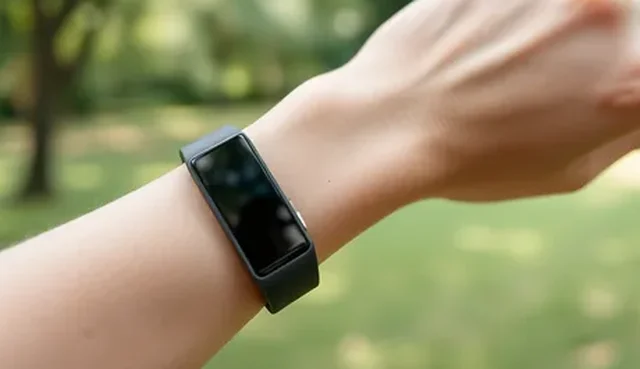
A fitness tracker can help you stay motivated, build healthier habits and get useful insights about your daily routine. Whether you want to move more, sleep better or keep an eye on your heart rate trends, a good tracker puts helpful data on your wrist.
- Track Activity
and Workouts - Monitor Heart
Rate Trends - Understand
Your Sleep - Measure
Progress
Better Sleep
Healthier You
Key Features to Consider
Not all fitness trackers are the same. Here are the most important features to look for:
Heart Rate Monitoring
Tracks heart rate through the day to show fitness trends.
Activity & Workout Tracking
Tracks steps, calories and workouts like running and cycling.
Sleep Tracking
Estimates sleep stages and offers tips for your routine.
Battery Life
Look for multi-day battery life to avoid frequent charging.
Built-in GPS
Maps outdoor runs, rides and routes without needing your phone.
Water Resistance
Check the water rating before you swim or shower with it.
Smart Features
Get notifications, music control and other everyday conveniences.
Compatibility
Make sure it works with your smartphone (iOS and/or Android).
Types of Fitness Trackers
Fitness trackers come in different styles and price ranges. Here are the main types:
-
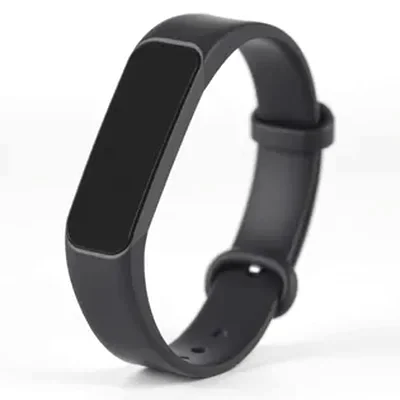
Basic Fitness Bands
Great for step tracking, sleep monitoring and everyday use.
-
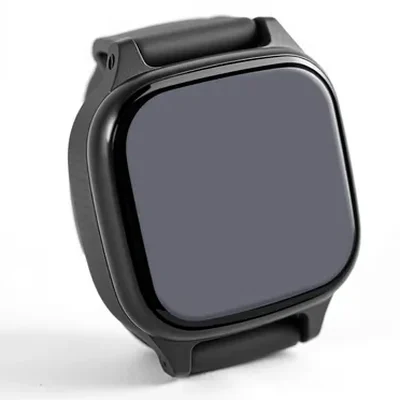
Advanced Fitness Trackers
Offer heart rate monitoring, GPS and more detailed activity data.
-
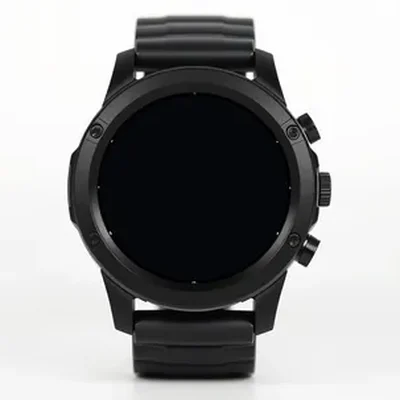
Premium Smartwatches
Combine fitness tracking with smart features like calls, apps and music.
-
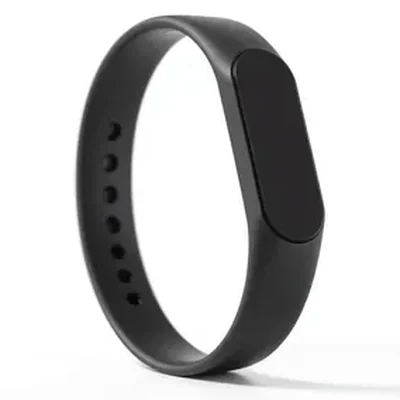
Specialized Trackers
Focus on specific needs like recovery, stress or women’s health.
How to Choose the Right Fitness Tracker
- 1
Define Your Goals
Are you focused on fitness, sleep, heart rate or all of the above?
- 2
Set a Budget
Good options are available at every price point.
- 3
Choose Must-Have Features
Focus on the features that matter most to you.
- 4
Check Compatibility
Ensure it works with your smartphone and favorite apps.
- 5
Read Reviews & Comparisons
See real-world feedback from reviewers and everyday users.
Our Top Picks by Category
Based on our research and comparisons, here are our recommended fitness trackers for different needs. We may earn a commission from links on this page, at no extra cost to you (affiliate disclosure). Product photos are illustrative.
-
Best Overall
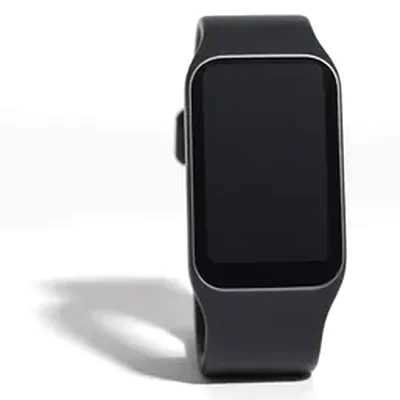
Fitbit Charge 6
-
Best Value
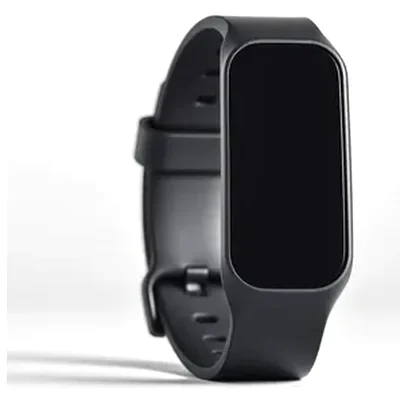
Amazfit Band 7
-
Best for iPhone
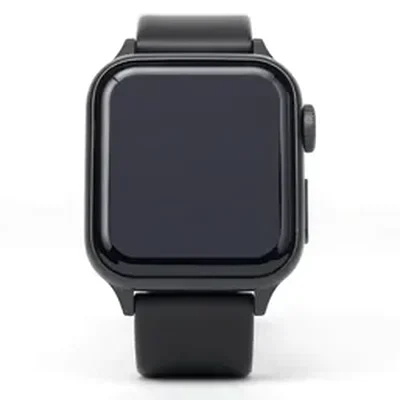
Apple Watch SE
-
Best for Runners
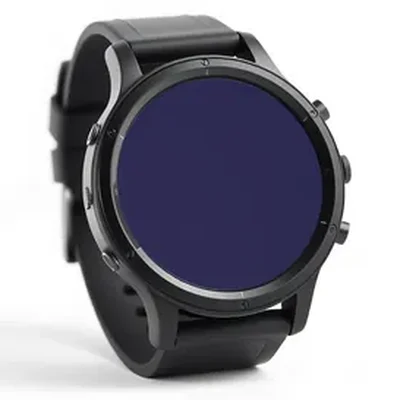
Garmin Forerunner 265
-
Best for Budget
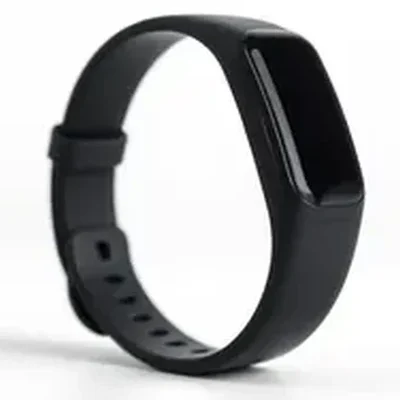
Xiaomi Smart Band 8

Common Mistakes to Avoid
- Choosing based only on price
- Buying features you don’t need
- Ignoring battery life
- Not checking compatibility
- Skipping real user reviews
Frequently Asked Questions
View All FAQsWhich fitness tracker is best for beginners?
A basic fitness band is usually the best place to start: it is affordable, simple to set up and covers steps, heart rate and sleep. Upgrade later if you find you want GPS or smartwatch features.
Do fitness trackers work without a phone?
Most trackers record data on their own and sync it to a phone app later. Initial setup, detailed history and software updates usually require the companion app.
Which tracker has the best battery life?
Simple bands without GPS or bright always-on screens generally last longest between charges, while full smartwatches usually need charging every day or two. Check the manufacturer’s figure and remember that GPS use shortens it.
Is the Apple Watch worth it for fitness tracking?
If you use an iPhone and want smartwatch features alongside fitness tracking, it is a strong all-rounder. If you mainly want long battery life and simple tracking, a dedicated band can cost less.
Can fitness trackers track sleep accurately?
Trackers are good at estimating total sleep time and spotting trends, and less precise at identifying individual sleep stages. Use them for patterns rather than a diagnosis, and see a doctor about persistent sleep problems.
Final Thoughts
The right tracker is the one you will actually wear every day: start with your goals and budget, confirm it works with your phone and check independent reviews. A tracker is a motivation tool, not a medical device — this guide is general information, not medical advice (see our medical disclaimer).